Beyond Punishment – Understanding Community Service Orders
Podcast: Play in new window | Download
Subscribe: Apple Podcasts | Spotify | Amazon Music | TuneIn | RSS
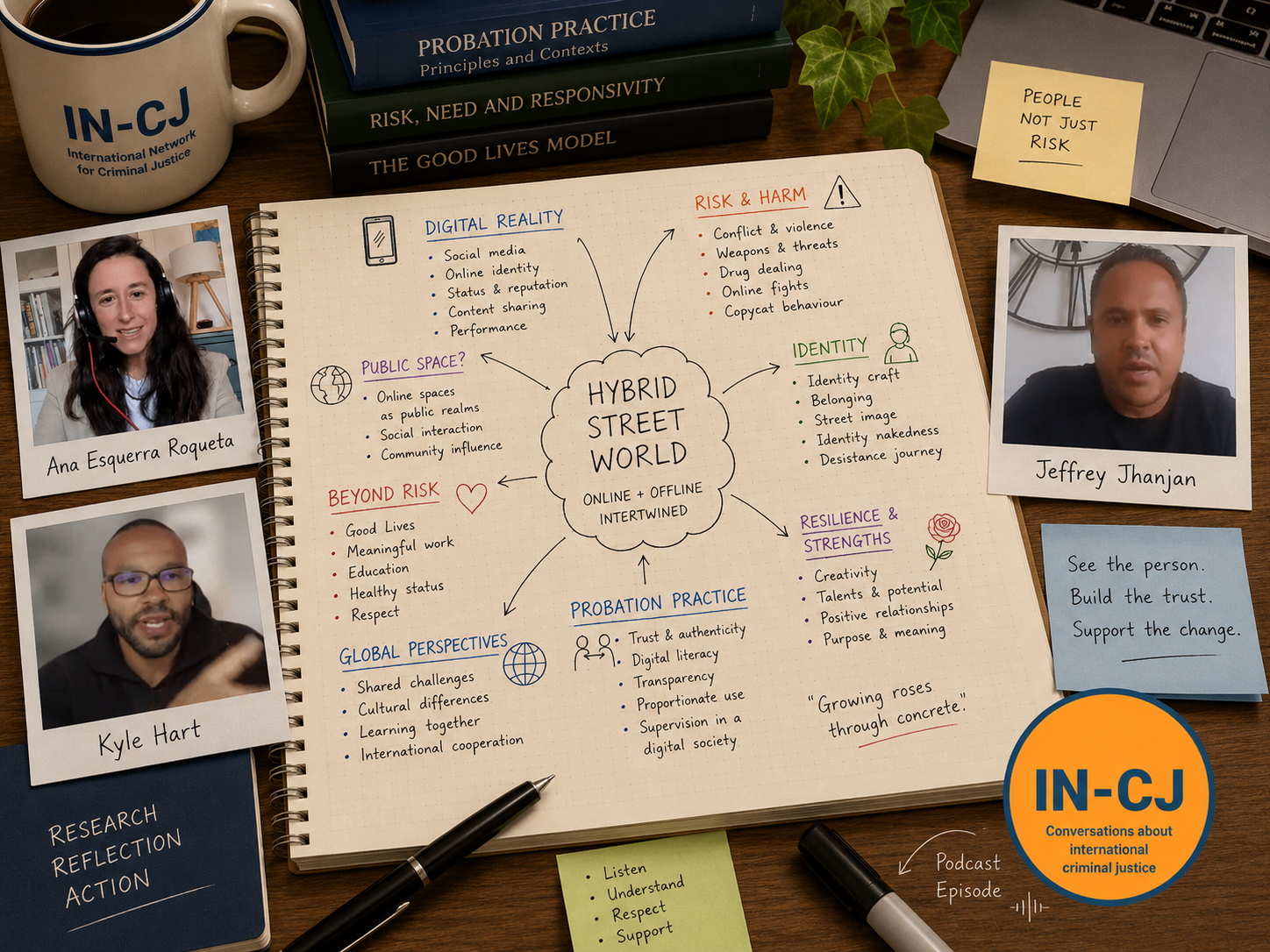
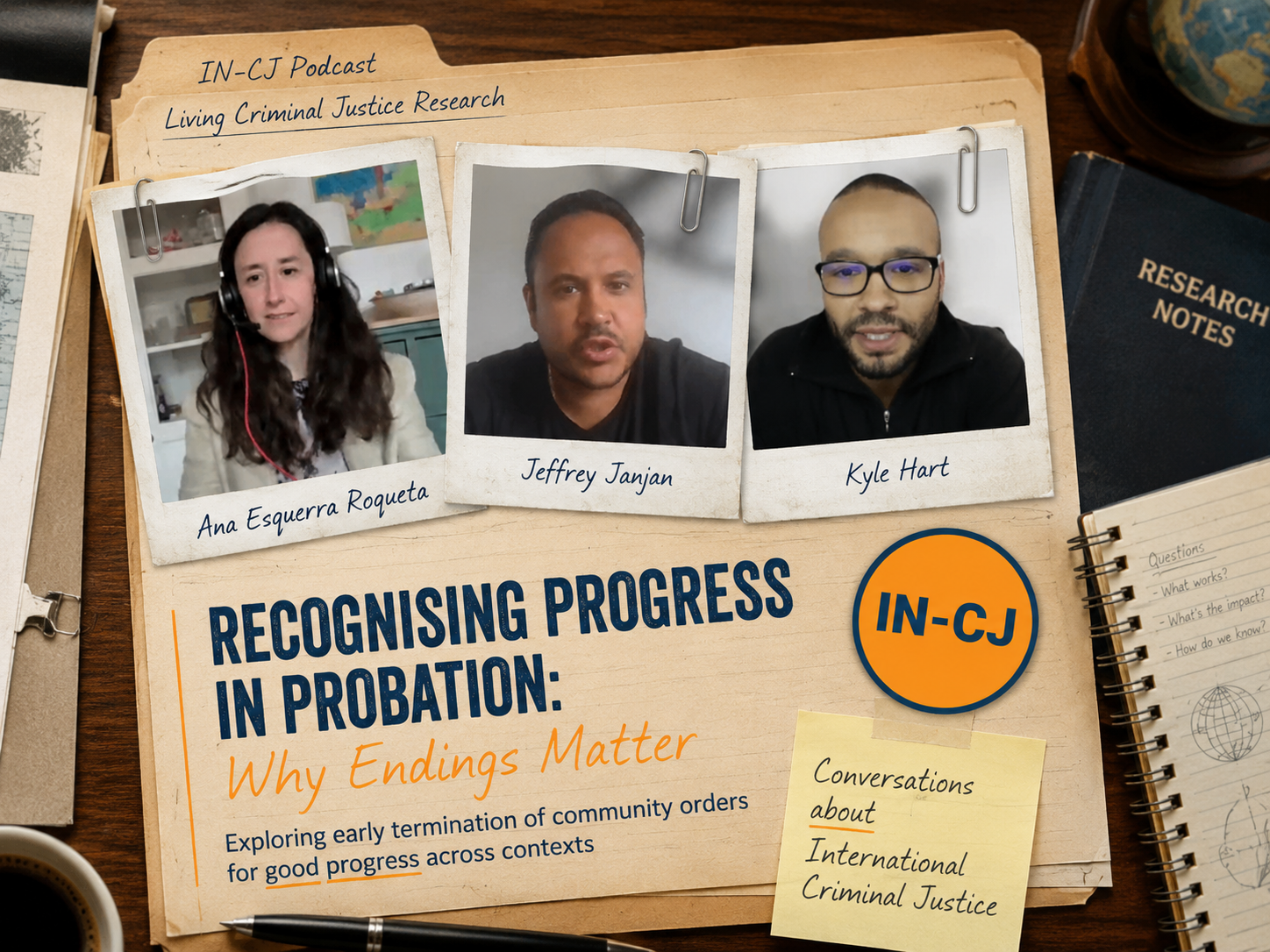
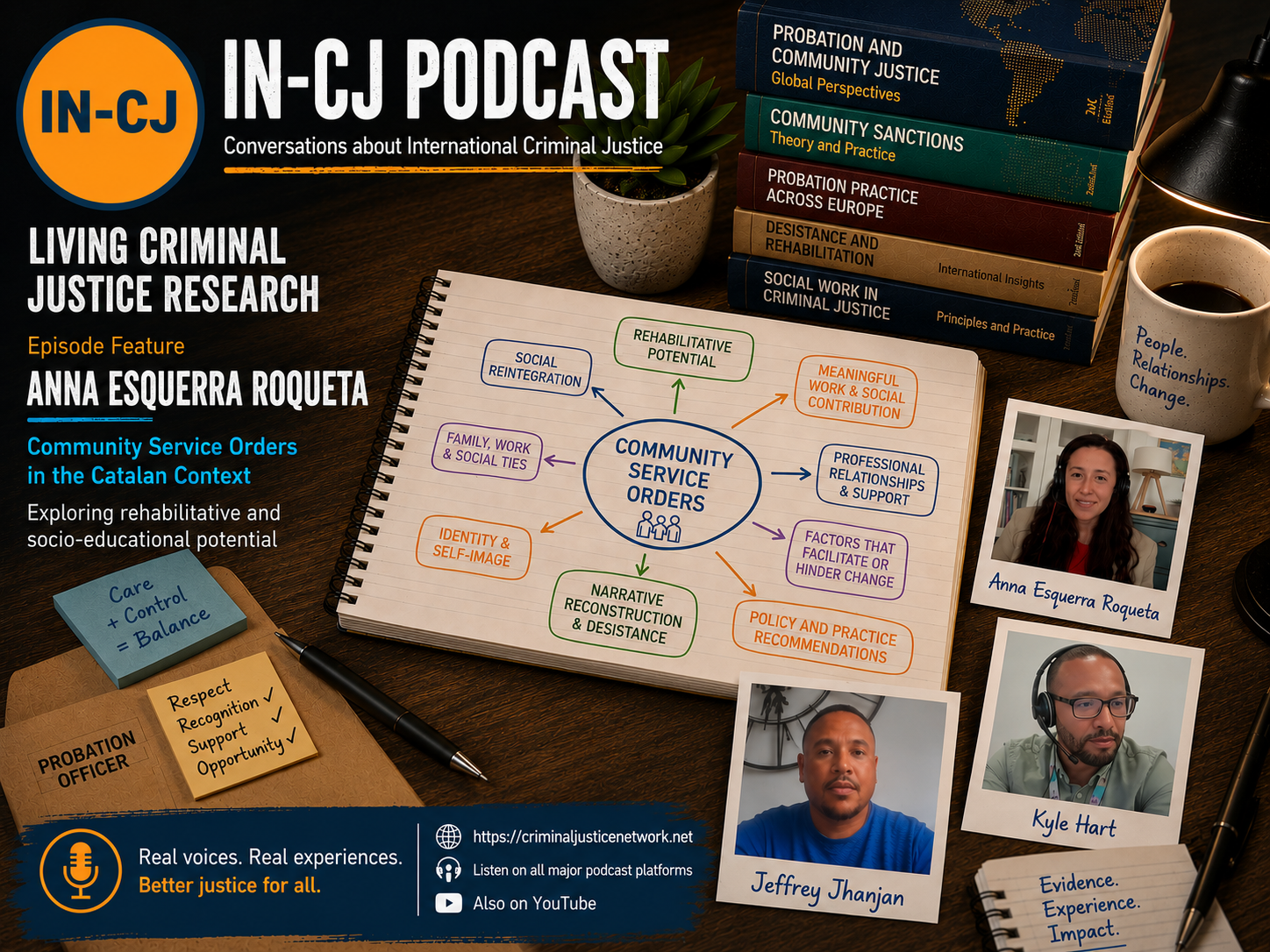
The latest episode in the IN-CJ Living Criminal Justice Research series explores the rehabilitative potential of Community Service Orders (CSOs) through the doctoral research of Anna Esquerra Roqueta, Policy and Liaison Officer at the Confederation of European Probation (CEP) and Associate Teacher at the University of Barcelona. In conversation with Jeffrey and Kyle Hart, Anna reflects on the experiences of people undertaking unpaid work sanctions in Catalonia and considers what these experiences can tell us about rehabilitation, desistance, and community justice.
Community Service Orders are widely used across Europe as a community-based alternative to custody. In Catalonia, they require people under probation supervision to undertake unpaid work for the benefit of society while remaining connected to their families, employment, and local communities. These placements take place in a wide range of settings, including libraries, cultural centres, local authorities, care services, environmental projects, and voluntary organisations.
Anna’s research examines whether these sanctions can do more than simply punish. Her work seeks to understand the effects of unpaid work on family life, employment, social relationships, identity, and self-image, while also identifying the factors that either support or hinder positive change. A central concern is ensuring that the voices of people who experience these sanctions, alongside the professionals who deliver them, are placed at the centre of the discussion.
The Human Experience of Community Justice
One of the strongest themes emerging from the discussion is the diversity of experiences reported by participants. Some people described Community Service Orders as highly stressful, particularly when trying to balance unpaid work alongside employment, family responsibilities, and caring duties. Women, in particular, often highlighted the additional pressures associated with combining these different demands.
These accounts raise important questions about the nature of community sanctions. If a sanction creates significant pressure and hardship, does it primarily function as punishment, or can it still support rehabilitation and personal growth? This question sits at the heart of many contemporary debates about probation and community justice.
At the same time, other participants described positive experiences. They spoke about increased self-esteem, a stronger sense of social contribution, and opportunities to reflect on their actions and future direction. These contrasting experiences suggest that the impact of Community Service Orders depends heavily on the circumstances in which they are delivered.
What Makes Community Service Meaningful?
A recurring theme throughout the conversation is that rehabilitation is not produced automatically by the sanction itself. Rather, it emerges through the quality of the experience surrounding the sanction.
Anna identifies three particularly important factors. The first is the individual’s wider circumstances, including their family, work, and caring responsibilities. The second is the quality of the placement itself, including whether participants feel respected, included, and valued by the organisation where they undertake their unpaid work. The third is the quality of the relationship between the individual and their probation officer.
Participants were more likely to describe their experience positively when they felt that their work was socially useful, when they were treated with dignity by staff and volunteers, and when they were given opportunities for meaningful participation and reflection. Positive working relationships and individualised support appeared to play a crucial role in transforming a punitive obligation into an opportunity for personal development.
This insight resonates strongly with wider probation research. The discussion repeatedly returns to the importance of the working alliance between probation practitioners and those they supervise. Without that relationship, community sanctions risk becoming little more than mechanisms of punishment. With it, they may create conditions in which change becomes possible.
Narrative Reconstruction and Desistance
The conversation also explores the concept of narrative reconstruction, a key idea within desistance research. Narrative reconstruction refers to the process through which people develop new understandings of themselves and their place in society, moving away from identities associated with offending and towards more positive and socially recognised roles.
According to Anna, this process becomes possible when people experience respect, recognition, and opportunities to contribute meaningfully to their communities. Under these conditions, individuals may begin to see themselves not simply as people who have committed an offence, but as people capable of making positive contributions to society.
This perspective reflects a growing body of international research associated with scholars such as Shadd Maruna, Fergus McNeill, Beth Weaver, Rob Canton, Peter Raynor, and Ioan Durnescu, all of whom have highlighted the importance of identity change in supporting long-term desistance from crime.
The Role of Social Work in Community Justice
Another important thread running through the discussion is the contribution of social work values to community justice practice. Anna argues that social workers bring a distinctive emphasis on relationships, recognition, support, and the improvement of people’s lives. They are often skilled in building trust, working with involuntary clients, and balancing care with control.
From this perspective, rehabilitation is not simply a matter of enforcing compliance. It requires practitioners who are able to work alongside people, support positive change, and help individuals reconnect with their communities. This relational approach reflects broader movements within probation and community justice across Europe that seek to combine accountability with opportunities for growth and reintegration.
Lessons for Community Justice Practice
Although Anna’s research is still ongoing, the discussion offers several important lessons for practitioners, policymakers, and researchers. It suggests that Community Service Orders should not be assessed solely in terms of completion rates or compliance measures. Instead, attention should also be paid to the quality of placements, the relationships that develop during supervision, and the opportunities available for reflection and personal growth.
The Catalan experience also highlights practical challenges, including shortages of suitable placements and limited opportunities for probation officers to engage in sustained, meaningful work with people undertaking unpaid work sanctions. Addressing these challenges may strengthen the rehabilitative potential of Community Service Orders in the future.
As IN-CJ continues its commitment to sharing emerging international research, this discussion offers a valuable reminder that effective community justice is fundamentally about people, relationships, and the conditions that support meaningful change. The conversation demonstrates that rehabilitation is rarely produced by sanctions alone. Rather, it develops through the social experiences, relationships, and opportunities that surround them.
You can listen to the full podcast episode through the IN-CJ website and podcast channels. The discussion forms part of the Living Criminal Justice Research series, which showcases emerging scholarship and encourages international dialogue between researchers, practitioners, policymakers, and people with lived experience.